Application areas for avatars and interpreters

What tasks does an avatar perform, and in which areas is it used? How do the fields of application for avatars and sign language interpreters differ?
At alangu, we would like to explain which tasks an avatar can take on and in which situations it can be used. On the one hand, there are avatars; on the other hand, there are sign language interpreters, whose areas of application differ clearly from one another.
AVATARS:
Avatars belong firmly to the digital realm and rely on written content in text form.
For example, avatars can provide additional information in sign language on websites that are difficult or not very intuitive to navigate. In doing so, they help create a more accessible experience for deaf users and make it easier for them to find their way around.
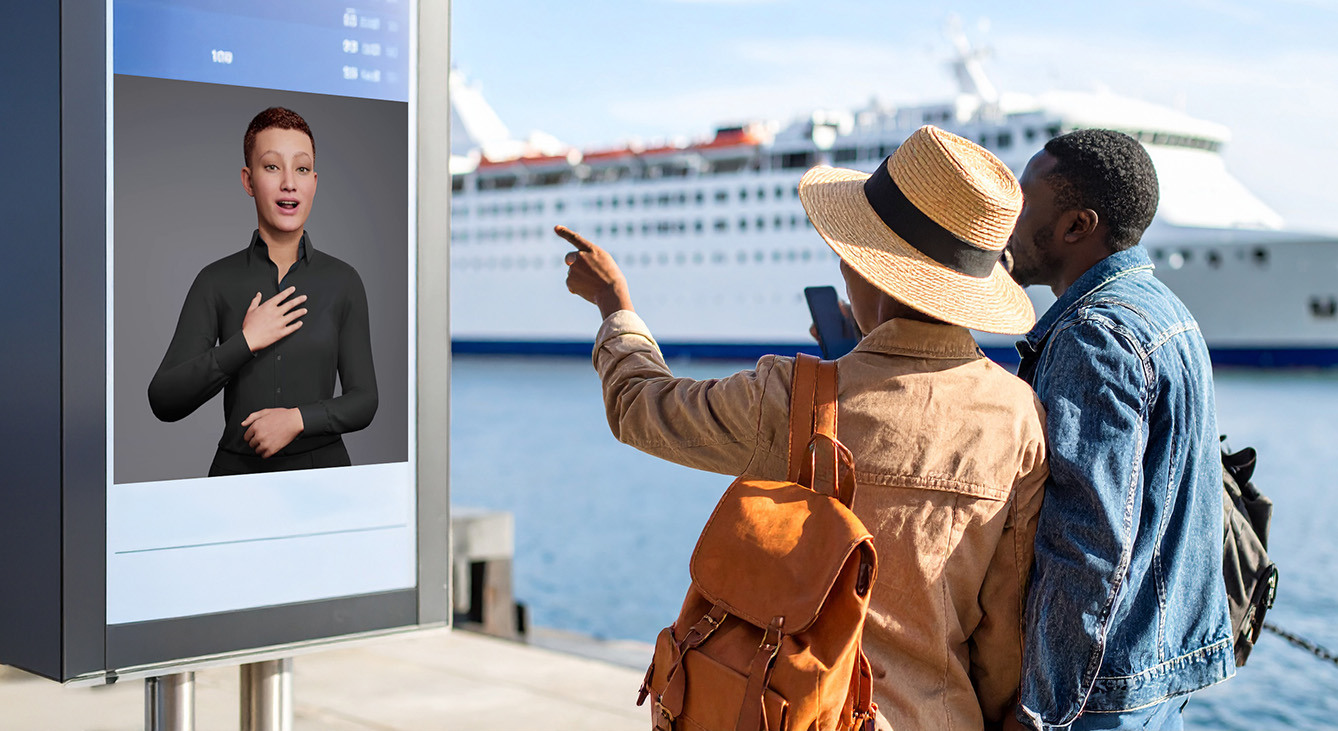
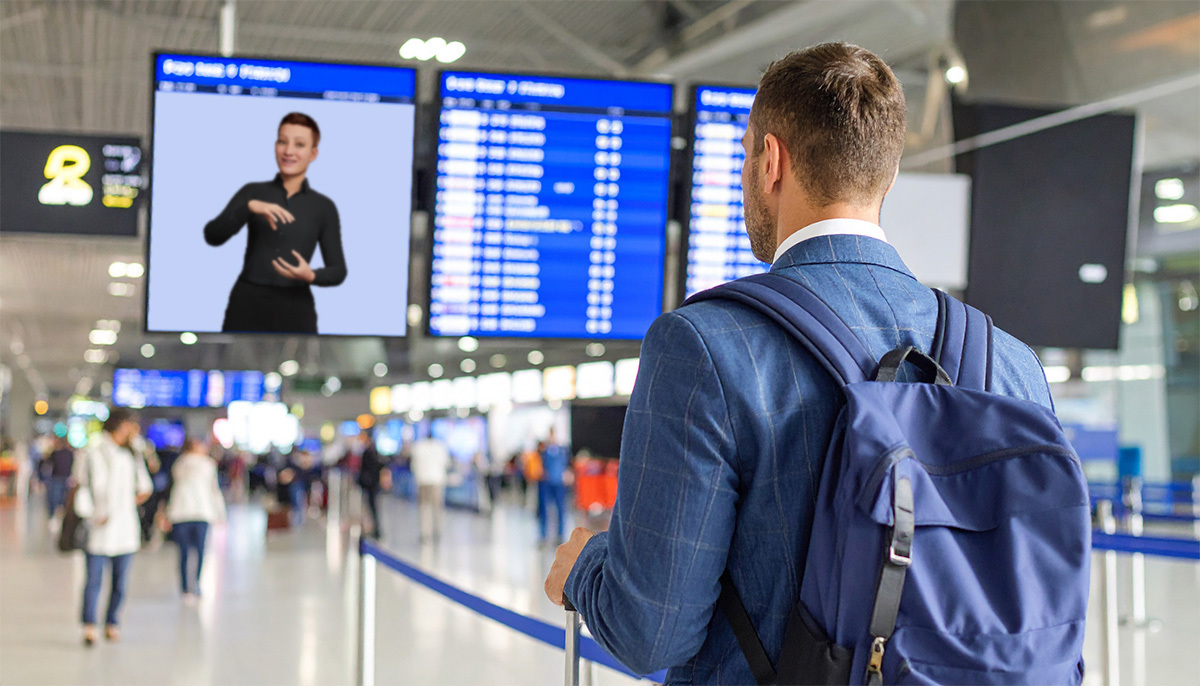
The same applies to environments such as train stations, airports, or other public spaces: information delivered solely via loudspeaker announcements – such as train cancellations, track or gate changes, or other short-notice updates – is not accessible to deaf individuals. Avatars can present these messages in sign language, provided that corresponding text is available, thereby granting deaf users access to essential information.
At present, avatars require written input that they can translate. Without text, they cannot be deployed.
This also explains why avatars currently cannot serve as full sign language interpreters – they remain limited to predefined, text-based content.
SIGN LANGUAGE INTERPRETERS:
Avatars are still limited in their translation capabilities, meaning they only have access to a restricted vocabulary tailored to specific fields of use. As soon as communication becomes emotional or spontaneous, avatars reach their current limits and can no longer be used. Situational conversations, spontaneous discussions, or individual questions cannot be translated, processed, or accurately conveyed by avatars. Full interaction and translation of all content is not yet possible.
In personal conversations – such as at medical appointments, counseling centers, social services, government offices, or similar settings – the presence of qualified sign language interpreters is therefore essential. They can respond flexibly, empathetically, and appropriately to each situation – something avatars, with their current digital limitations, simply cannot do.
A potential future application for avatars could be at self-service terminals, where they might ask questions or guide users through navigation steps. For complex, personal, or emotional communication, however – such as in medical settings – sign language interpreters will remain indispensable.

CONCLUSION:
The areas of application for avatars and sign language interpreters differ significantly. Avatars are best suited for digital, text-based, and standardized situations, while sign language interpreters are necessary wherever personal, emotional, or spontaneous communication takes place.
For updates on our latest developments:
Also interesting:
How is a sign language video created?
How does quality assurance work at alangu?
How do we teach our AI sign language?